Car Key Replacement by Vehicle Brand — What Actually Differs
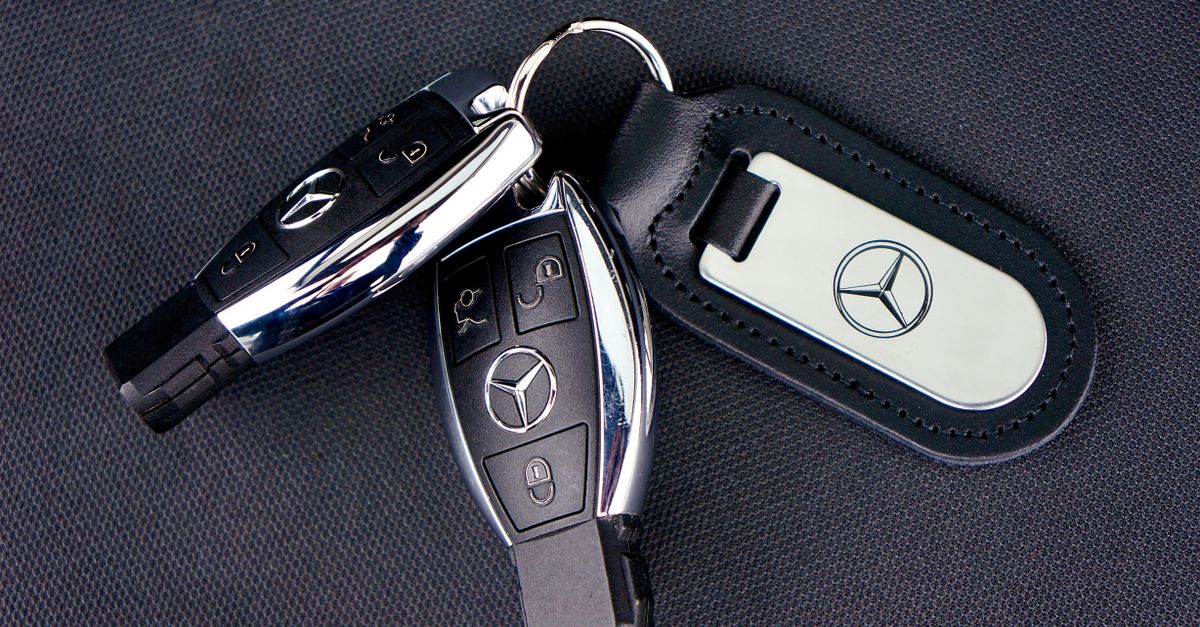
Not all replacement keys are created equal, and the brand of your vehicle is one of the biggest factors shaping the process. Ford and General Motors vehicles from the late 1990s onward use PATS or VATS transponder systems that require the new key's chip to be recognized by the immobilizer before the engine will start — cutting alone is not enough. Chrysler, Dodge, and Jeep models often rely on SKIM technology and may require a two-key relearn sequence or a direct OBD-II programming session. European makes add another layer: BMW vehicles frequently use EWS or CAS immobilizer modules that demand dealer-level diagnostic access, while Mercedes-Benz models with Infrared or NFC key technology require brand-specific software handshakes that go well beyond standard transponder cloning.
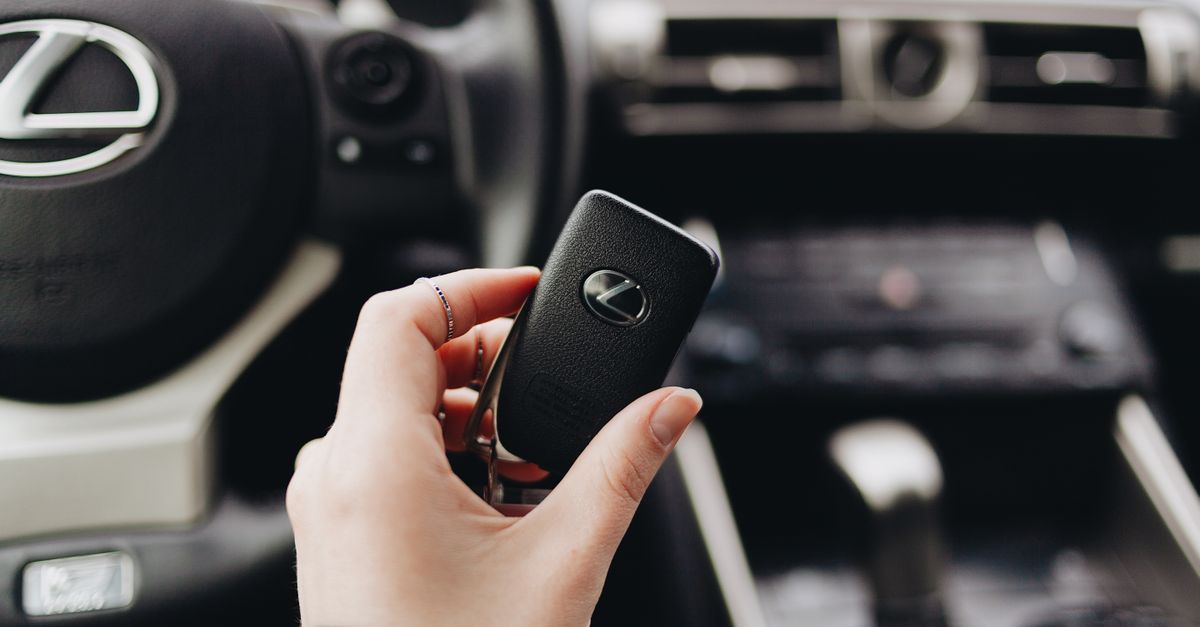
Japanese and Korean brands present their own nuances. Toyota and Lexus smart keys use rolling encryption that must be synchronized through the vehicle's onboard computer, not just the key hardware. Honda and Acura models built after 2013 often require the BCM to be put into a special pairing mode. Hyundai and Kia have moved aggressively toward push-to-start proximity fobs that store vehicle access credentials — lose the only fob and the programming process becomes more involved. Our technicians carry make-specific software and blank key stock to handle all of these scenarios, cutting unnecessary wait times and sparing you a potentially expensive tow to a dealership.