Why Ignition Cylinders Wear Out and What Actually Happens Inside
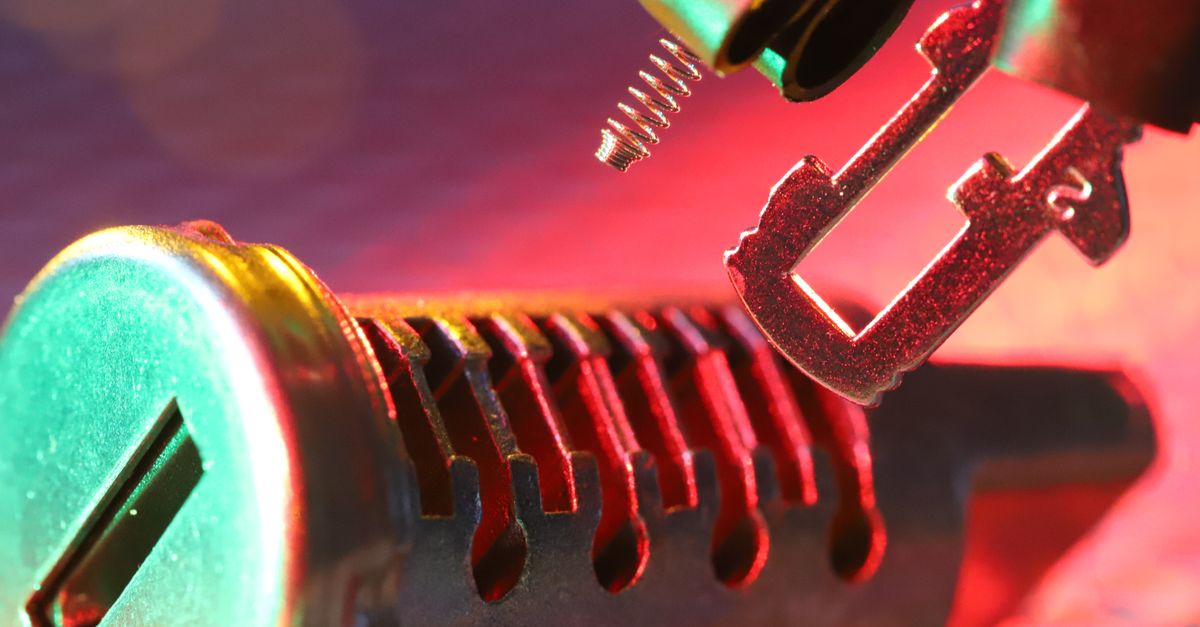
The ignition cylinder is a precision mechanical component. Inside it, a series of spring-loaded wafers align with the cuts on your key to allow the cylinder to rotate. Over years of daily use — inserting, turning, and removing the key hundreds of times — those wafers wear down, the internal tolerances loosen, and the cylinder stops responding predictably. Sometimes it sticks halfway through the start position. Sometimes it turns freely but doesn't engage the electrical switch behind it. In other cases, a broken key tip lodges inside, jamming the whole assembly. Drivers in older vehicles are especially vulnerable, but even newer models with high ignition usage can develop cylinder problems well before the rest of the vehicle shows wear.
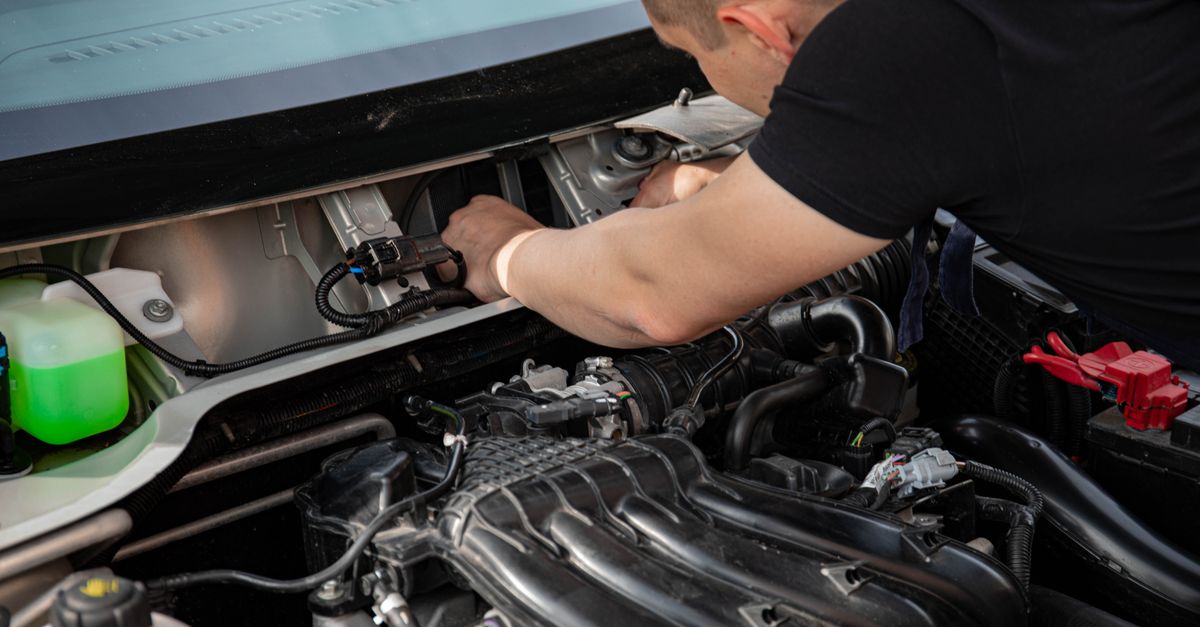
Compounding the issue, a faulty ignition cylinder can mimic other problems — a dead battery, a failed starter, or a bad ignition switch. Our technicians are trained to distinguish between these scenarios using hands-on diagnostic methods rather than guesswork. We check for key blade wear, cylinder binding, and switch engagement before recommending any repair. That diagnostic precision is what separates a qualified ignition lock repair professional from a parts-swap technician who replaces components blindly and hopes for the best.